Winter in Walker, MI, is not a season to take chances with your heating system. Situated just northwest of Grand Rapids in Kent County, Walker sees the same brutal cold snaps and heavy snowfall that come with a West Michigan winter. When a furnace fails in those conditions, the inside of a home can become uncomfortable fast. Many Walker homeowners also face a unique challenge: properties near Wilson Avenue and newer developments pushing toward Standale sit in open zones where wind-tunnel effects blow snow directly against sidewall vents. Those vents can become buried during a single overnight storm, triggering a system lockout right when temperatures are at their lowest.
Knowing what to watch for, understanding why furnaces fail, and taking the right steps before calling for help can make a real difference when the heat goes out. Our team provides furnace repair in Walker, MI, and is familiar with the specific conditions these homes face season after season.
Signs Your Furnace Needs Immediate Attention
During our service calls throughout the Walker area, most furnace emergencies are preceded by warning signs that appear well before the system stops working entirely. Catching those signals early is the difference between a manageable repair and a midnight call in single-digit temperatures.
Symptoms that warrant a prompt service call include:
- Unusual noises: Banging, rattling, or screeching during startup or operation are signs of mechanical problems, loose components, or a blower system under stress.
- Sudden spike in energy bills: When a furnace starts consuming significantly more energy without a corresponding change in usage, it is often working harder than it should to compensate for a developing problem.
- Inconsistent heating: Some rooms feel like iceboxes while others stay warm, pointing to airflow issues, ductwork problems, or a system that is no longer cycling correctly.
- Yellow burner flame: The burner flame should burn blue. A yellow or orange flame indicates incomplete combustion and can signal a cracked heat exchanger or a risk of carbon monoxide, both of which require immediate attention.
- Gas smell or hissing sound: If you detect a gas odor or hear hissing near the unit, leave the home immediately, avoid operating any switches or appliances, and call your gas utility and emergency services from outside.
Do not wait for a complete breakdown before acting on these signs. Prompt emergency HVAC repair keeps a manageable issue from becoming a full system failure on the coldest night of the year.
Common Causes of Furnace Failures
Working in homes across Walker and surrounding Kent County communities, we see the same failure points recur. Understanding what typically goes wrong helps homeowners recognize when a problem is developing before it becomes a crisis.
The most common causes we encounter include:
- Dirty or clogged filters: Filters not changed on schedule restrict airflow through the system. When airflow is blocked, the heat exchanger works under excessive heat load and can overheat or crack, turning a simple maintenance miss into a significant repair.
- Thermostat issues: A thermostat that is not reading temperatures accurately, loses its connection to the furnace, or fails electrically can result in inconsistent heating cycles or no heat at all, even when the furnace itself is mechanically sound.
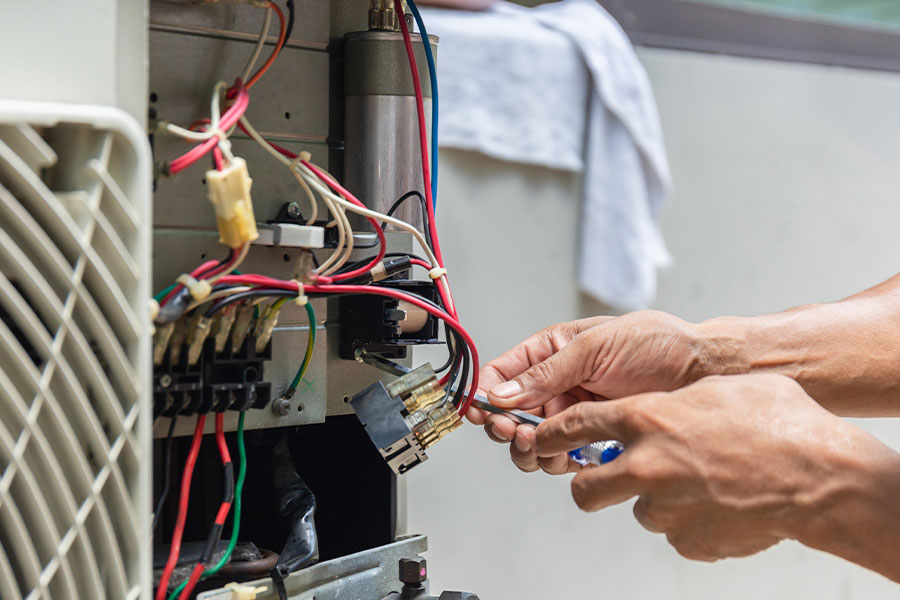
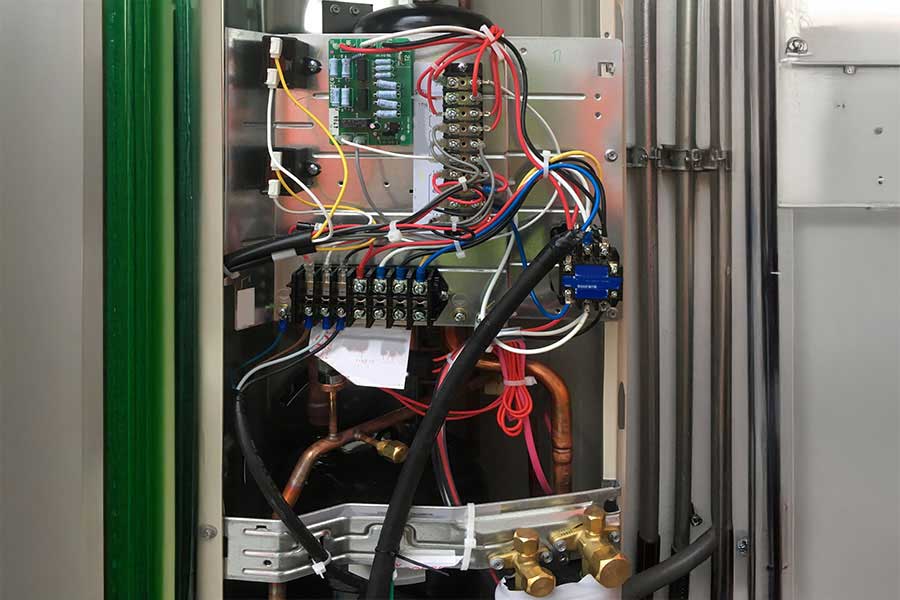
- Electrical component failures: Ignitors, control boards, flame sensors, and capacitors all degrade over time. Worn wiring or a failing component can cause the system to shut down without warning, which is why thorough diagnostics matter more than random part replacements.
Scheduling professional furnace repair at the first sign of trouble in Walker allows our technicians to identify root causes before a secondary failure compounds the original problem.
Steps to Take Before Calling for Emergency Repair
When a furnace stops producing heat, a few quick checks can resolve the issue before a service call is needed. These are not repairs. They are basic checks that any homeowner can perform safely.
Start by verifying the thermostat is set to “heat” and that the setpoint is above the current room temperature. A thermostat accidentally switched to “cool” or “fan only” is a surprisingly common reason for a no-heat call. Next, check the circuit breaker panel for a tripped breaker on the furnace circuit. Reset it once if tripped, but if it trips again immediately, stop and call for service rather than resetting it a second time.
For Walker homeowners specifically, one additional check matters before any other step: inspect the exterior PVC exhaust and intake vents on the side of the house. In areas near Wilson Avenue and around the open lots in Standale, where wind and drifting snow accumulate quickly, these vents can become fully buried during a storm. A blocked vent causes the furnace to lock out on a safety switch. Clear any snow away carefully by hand. Never use a shovel or snow blower near PVC vent pipes, as the plastic becomes brittle in freezing temperatures and cracks easily.
If none of these checks restore heat, note the furnace’s make and model, and any error codes displayed on the control board before calling. That information helps our technicians arrive prepared.
What to Expect During an Emergency Furnace Repair
When our team arrives for an emergency call, the priority is a thorough assessment of the system to identify exactly what caused the failure. We do not guess or replace components. Every emergency visit involves:
- A full system diagnostic to find the root cause rather than treating symptoms
- Clear communication about what we found and what the repair involves before any work begins
- Transparent pricing with no surprises after the job is done
- A safety check covering the heat exchanger, venting, gas connections, and electrical components, before we consider the repair complete
Walker homeowners dealing with a furnace emergency in the middle of a Kent County winter do not need pressure or confusion on top of the stress of a cold home. Our approach is to get the system running safely, explain what happened in plain language, and make sure you understand how to avoid the same failure in the future.
Preventative Measures for a Reliable Heating System
The most effective way to avoid emergency furnace calls is consistent, proactive maintenance. Based on what we see at Walker properties throughout the heating season, the homes that stay out of trouble are those where basic upkeep is treated as a priority rather than an afterthought.
Key habits that protect your heating system include:
- Annual professional inspection: A licensed technician checks the heat exchanger, burners, flame sensor, ignitor, condensate drain, and all safety controls once per year, catching small problems before they become expensive ones.
- Regular filter changes: Filters should be replaced every 30 to 90 days, depending on the home, the filter type, and whether pets are present. A clean filter is the single lowest-cost thing a homeowner can do to extend the life of a furnace.
- Vent and register checks: Furniture pushed against registers, closed vents in unused rooms, and debris near the furnace intake all restrict airflow and add strain to the system over time.
- Programmable or smart thermostat: A properly programmed thermostat reduces unnecessary cycling and prevents the system from working harder than necessary during off-peak hours, extending component life throughout the heating season.
- Seasonal exterior vent inspection: Before the first significant snowfall each fall, confirm that all exterior PVC vent terminations are clear of landscaping, debris, and anything that could trap drifting snow during a storm.
Routine furnace maintenance performed before winter arrives is consistently the most cost-effective investment Walker homeowners can make in their heating systems.
Amp Up Your Winter Warmth Before the Cold Moves In
A furnace emergency in Walker, MI, is not something to navigate unprepared. The combination of Kent County cold, open-area wind exposure, and the specific venting challenges that come with newer construction in the Standale corridor makes heating system reliability more than a comfort issue. At Amp Electrician, AC & Furnace Repair, our licensed technicians know these homes and the conditions they face. We show up prepared, communicate clearly, and repair what needs fixing without recommending unnecessary work on your system. If your furnace is showing any of the signs described here, or if you want to get ahead of winter with a professional inspection, contact our team today, and we will get you scheduled.