
Adding a home EV charger is one of the most practical electrical upgrades a North Muskegon homeowner can make. Still, the installation involves more moving parts than most people expect before they start. Between electrical permits, panel capacity, HOA considerations, and equipment selection, there are genuine decisions to work through before any wiring begins. Getting those decisions right from the start determines whether your charger performs reliably for years or creates headaches down the road. In North Muskegon, Level 2 charger installations require an electrical permit to ensure the system complies with the Michigan Electrical Code. Starting with trusted electrical services in North Muskegon, MI ensures your home is assessed accurately before any equipment is purchased or work is scheduled.
Understanding Local Regulations for EV Charger Installation
North Muskegon sits on the north shore of Muskegon Lake, a community of mostly residential properties where installation work is subject to standard Muskegon County permitting requirements and, in some neighborhoods, HOA oversight. Before any charger installation begins, two regulatory areas should be confirmed.
First, an electrical permit is required for Level 2 installations in Michigan. The permit process triggers an inspection to verify that the installation complies with the Michigan Electrical Code, protecting both the homeowner and any future buyers from undocumented work. Skipping the permit not only creates a compliance risk but also exposes the company to legal liability. It can also void equipment warranties and complicate homeowners’ insurance claims if something goes wrong.
Second, if your property is within an HOA, Michigan House Bill 5028 protects your right to install energy-efficient upgrades, including EV chargers. HOAs cannot prohibit installation outright, but they can set reasonable guidelines around aesthetic placement, conduit routing, or equipment visibility. Confirming those guidelines before installation begins avoids rework and keeps the relationship with your HOA straightforward. A licensed electrician familiar with local permitting requirements is the right starting point for navigating both layers of compliance.
Choosing the Right EV Charger for Your Home
Not all EV chargers are the same, and the right choice for a North Muskegon home depends on how the vehicle is used day-to-day. The two main categories are:
- Level 1 charging: Uses a standard 120V household outlet and requires no dedicated circuit installation. Practical for drivers with short daily commutes who can charge overnight, but adds only 3 to 5 miles of range per hour.
- Level 2 charging: Operates on a 240V dedicated circuit and adds 20 to 30 miles of range per hour, depending on the charger and vehicle. The right choice for most homeowners, particularly those driving longer routes through the Muskegon area or commuting regularly to Grand Rapids.
Beyond the level, a few additional factors guide equipment selection:
- Charging speed: Match the charger’s amperage output to your vehicle’s onboard charger rating. Installing a 48-amp unit in a vehicle that accepts 32 amps provides no additional speed benefit.
- Connector compatibility: Most new EVs use the NACS connector. Older models may use J1772. Confirm your vehicle’s port before purchasing equipment.
- Smart features: Chargers with Wi-Fi connectivity allow scheduling to take advantage of off-peak utility rates, monitoring charging sessions, and receiving alerts. These features are worth the modest price difference for most homeowners.
A professional EV charger installation in North Muskegon begins with confirming these factors before any equipment is ordered, so the selected charger fits both the vehicle and the home’s electrical infrastructure.
Electrical Capacity and Upgrades Needed for Installation
Before a charger is installed, the home’s electrical system needs to be evaluated honestly. Most Level 2 chargers require a dedicated 40-60 A circuit. Whether your panel can support that addition without issue depends on its age, current load, and the number of available breaker slots.
A 200-amp panel is the current standard for homes undergoing heavy electrical additions, such as EV charging. Homes in North Muskegon’s older residential areas, particularly those built before the 1990s along the bluff streets overlooking Muskegon Lake, often have 100-amp service panels that were never designed to support modern electrical loads. Signs that a panel may already be operating near its limit include:
- Flickering lights when large appliances run
- Breakers that trip frequently without a clear cause
- A panel with no open breaker slots remaining
- Fuse-based systems that have never been updated
In these situations, an electrical service upgrade is the right first step before any EV charger work begins. Attempting to add a 40 to 60-amp dedicated circuit to an undersized or overloaded panel creates a real safety risk and will not pass inspection. Addressing the panel first ensures the EV charger installation goes smoothly and that the home is positioned for future electrical upgrades.
Best Practices for Safe and Efficient Charger Placement
Where the charger is physically installed matters as much as which charger is selected, in North Muskegon’s lakefront climate, where lake-effect snow accumulates quickly, and salt air off Lake Michigan accelerates corrosion on outdoor equipment, placement decisions carry additional weight.
Key placement considerations include:
- Proximity to parking: Install the charger as close as practical to where the vehicle parks to minimize cable run length and avoid tripping hazards across the driveway or garage floor.
- Weather rating for outdoor installations: Any charger or receptacle installed outdoors must have a minimum NEMA 3R rating for weather resistance. Given North Muskegon’s exposure to lake humidity and winter precipitation, this is non-negotiable for equipment longevity.
- Hardwired vs. plug-in connections: In West Michigan’s cold winters, a hardwired charger connection is more reliable than a plug-in NEMA 14-50 outlet. Plug connections exposed to repeated freeze-thaw cycles can develop resistance over time, generating heat at the connection point.
- Surge protection: A whole-house surge protector safeguards your EV charger and other connected equipment from voltage spikes, a persistent concern during Michigan’s active thunderstorm season.
- Code clearances: Local codes specify minimum distances between electrical equipment and gas meters, combustible materials, and other building elements. A licensed electrician confirms these clearances as part of the installation plan.
Thinking through the driveway layout, garage configuration, and daily routine before finalizing placement makes the finished installation feel natural and effortless to use.
Maintenance Tips for Your EV Charger System
A properly installed EV charger requires relatively little ongoing attention, but a few habits keep it performing reliably over the long term.
Inspect cables and connectors seasonally: North Muskegon’s temperature swings between summer highs and sub-zero winter lows put stress on cable insulation and connector housings over time. Look for cracking, stiffness, or visible wear, and address them before they become a functional problem.
Clean connectors regularly: Salt air and road grime from West Michigan winters can accumulate on connector contacts, which can interfere with charging performance. A dry cloth wipe-down after the winter months keeps contacts clean.
Monitor for unusual sounds or smells: Any burning smell, buzzing, or popping during a charging session is a sign to stop charging and call for service. These are not normal operating characteristics.
Schedule an annual inspection: A licensed technician can verify that wiring connections remain tight, that the dedicated circuit is operating within spec, and, if the unit supports smart features, that the charger firmware is up to date.
Charged Up and Ready to Roll in North Muskegon
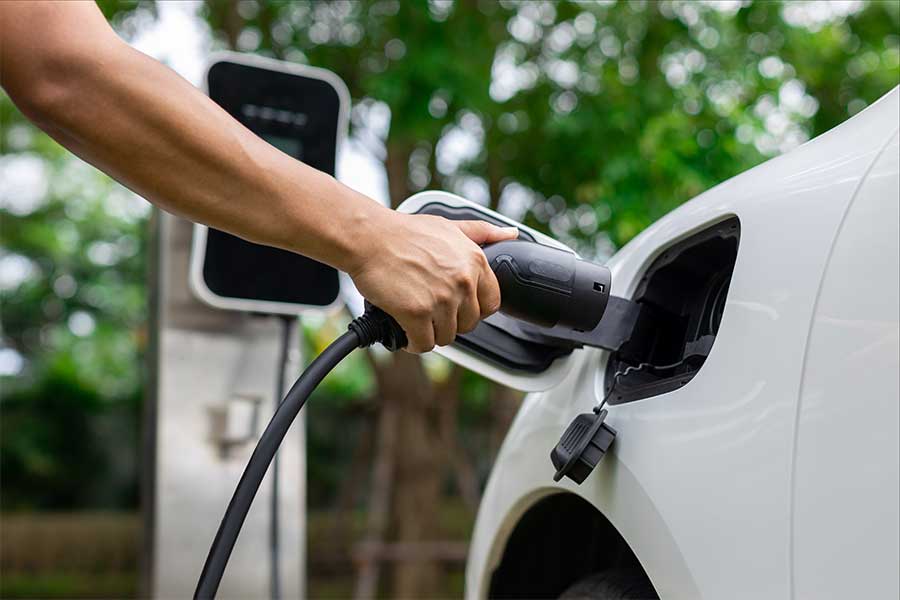
Home EV charging is a straightforward upgrade when the installation is planned and executed correctly. For North Muskegon homeowners navigating permitting, panel capacity, and the unique demands of a lakefront climate, working with a licensed local electrician from the start removes the guesswork and keeps the project on track. At Amp Electrician, AC & Furnace Repair, our team handles the permit, panel assessment, equipment recommendation, and installation so you arrive home every evening to a fully charged vehicle without worry. Contact our team today to schedule your EV charger consultation.