Most Muskegon homeowners invest a lot of thought into their home’s comfort and appearance, but indoor air quality often doesn’t get the attention it deserves until something goes wrong. The air circulating in your home directly impacts your family’s health, your HVAC system’s performance, and the overall livability of your space. In a region like West Michigan, where cold winters keep homes sealed tight for months, and humid summers create conditions where mold and allergens thrive, the quality of your indoor air deserves serious consideration.
Understanding what affects your air quality and knowing when to bring in a professional is the foundation of a healthier home environment. Our indoor air quality solutions are designed to help Muskegon homeowners identify problems and address them with the right equipment and expertise.
What Is Indoor Air Quality and Why Does It Matter
Indoor air quality, commonly referred to as IAQ, describes the condition of the air inside your home as it relates to the health and comfort of the people living there. It is shaped by a combination of factors, including pollutant levels, humidity, ventilation effectiveness, and the effectiveness of your HVAC system in filtering and circulating air throughout the space.
Poor IAQ is not always obvious. It can manifest as recurring headaches, increased allergy symptoms, chronic fatigue, or worsening respiratory conditions. For households with young children, elderly residents, or anyone with asthma or sensitivities, the effects can be more pronounced. The EPA has consistently noted that indoor air can be significantly more polluted than outdoor air, even in areas with nearby industrial activity.
Improving air quality is not a single task but an ongoing commitment to maintaining your home’s systems and environment to support healthier air.
Common Pollutants Found in Muskegon Homes
During our service calls throughout Muskegon, we encounter a consistent set of indoor air quality concerns affecting homes across the area. Knowing what you’re dealing with is the first step toward addressing it effectively.
Common indoor pollutants include:
- Dust mites and pet dander, which accumulate in carpets, upholstery, and bedding, circulate through the air every time the HVAC system runs
- Mold spores, particularly in homes with moisture issues, basement water intrusion, or inadequate bathroom and kitchen ventilation
- Volatile organic compounds (VOCs) are released by household cleaning products, paints, adhesives, and even certain types of flooring and furniture.
- Carbon monoxide, a colorless and odorless gas produced by combustion appliances, including furnaces, water heaters, and gas stoves
- Tobacco smoke, which embeds in surfaces and continues to off-gas long after smoking has occurred
- Pollen and outdoor particulates, which enter through doors, windows, and on clothing, especially during Muskegon’s spring and fall seasons
Each of these pollutants has its own health implications, and most require different strategies to control effectively. A professional assessment can identify which pollutants are present in elevated concentrations and recommend targeted solutions.
Signs Your Indoor Air Quality Is Poor
Because many air quality problems develop gradually, homeowners often adapt to deteriorating conditions without realizing what has changed. Based on what we see in Muskegon properties, these are the most common indicators that indoor air quality needs professional attention:
- Persistent musty or stale odors that don’t clear with normal ventilation
- Visible mold growth around windows, in bathrooms, or in damp basement areas
- Increased dust accumulation on surfaces between regular cleanings
- Family members experiencing more frequent allergy flare-ups, headaches, or respiratory irritation indoors
- Unexplained fatigue or symptoms that improve when spending time outside the home
- Humidity levels that feel consistently high or unusually dry, depending on the season
If you’re noticing several of these signs at once, it’s a strong signal that your home’s air is not circulating, filtering, or conditioning properly. These are not issues that resolve on their own, and waiting often allows conditions to worsen.
Why Humidity Matters for Air Quality
Humidity control is one of the most important and most overlooked components of indoor air quality management. In Muskegon, where lake-effect weather patterns create wide swings in outdoor moisture levels, maintaining stable indoor humidity requires active management.
When indoor humidity climbs above 50 percent, conditions become favorable for mold growth and dust mite proliferation. Both are significant sources of allergens that can seriously affect respiratory health. High humidity also makes the air feel heavier and warmer, increasing reliance on air conditioning and driving up energy costs.
On the other end of the spectrum, humidity levels that are too low, common during Michigan winters when heating systems run continuously, dry out airways and skin, reduce the body’s natural resistance to airborne viruses, and can cause cracking in wood floors and furniture.
The target range for indoor relative humidity is generally 30 to 50 percent year-round. Achieving and maintaining that range may require a whole-home humidifier, a dehumidifier, or adjustments to your existing HVAC setup. Our HVAC maintenance services include an assessment of your system’s ability to manage humidity effectively as part of an overall performance evaluation.
How Regular HVAC Maintenance Improves Indoor Air Quality
Your HVAC system is the primary mechanism for circulating, filtering, and conditioning the air in your home. When it’s well-maintained, it plays a meaningful role in keeping that air clean and comfortable. When neglected, it can actually become a source of air quality problems rather than a solution.
During professional HVAC maintenance, a technician will:
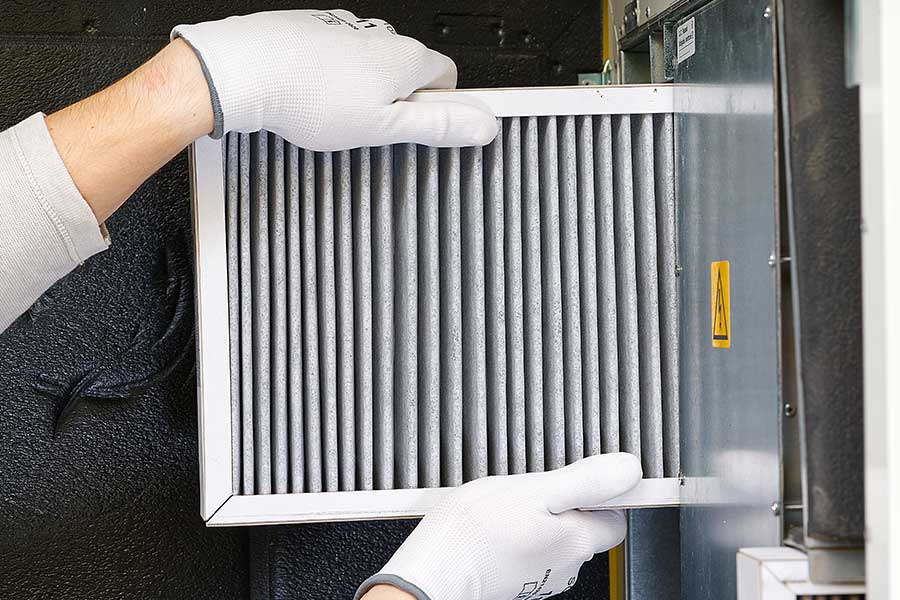
- Inspect and replace air filters that have become clogged with dust, debris, and allergens
- Clean evaporator and condenser coils that can harbor microbial growth when dirty or damp
- Evaluate ductwork for leaks, blockages, or buildup that reduces airflow and introduces contaminants
- Check refrigerant levels and system operation to ensure efficient performance
- Assess ventilation and return air pathways to confirm proper air circulation throughout the home
A system that hasn’t been serviced in several seasons may be recirculating pollutants rather than removing them. Staying current with professional maintenance is one of the most effective steps a homeowner can take to improve their indoor environment.
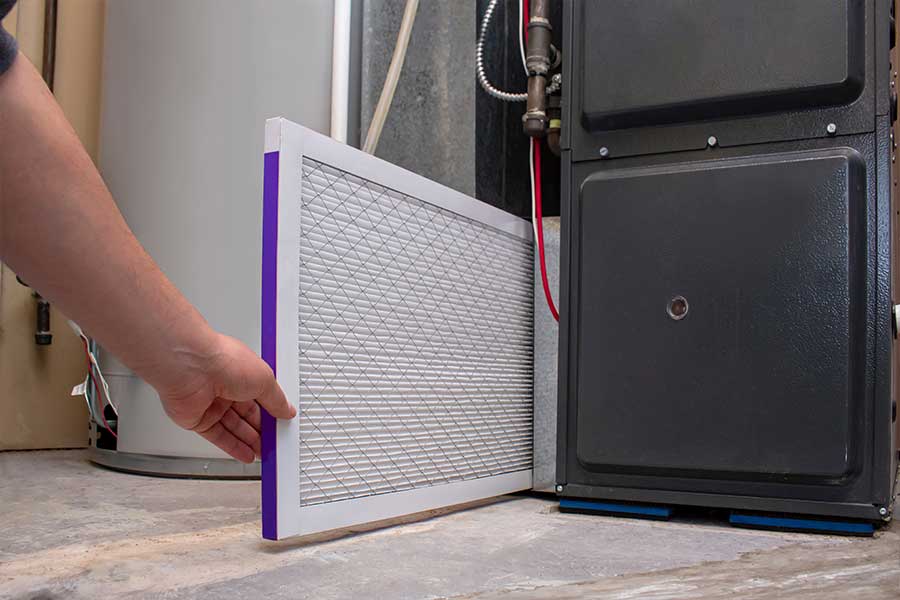
Keeping up with AC and furnace air filter replacement between professional visits is equally important. Filters that are overdue for replacement restrict airflow, reduce system efficiency, and allow particulates that should be captured to continue circulating through the home.
Top Strategies to Enhance Your Home’s Air Quality
Improving indoor air quality is most effective when it combines professional HVAC care with consistent home management practices. Some of the most impactful steps include:
- Maintaining your HVAC system on a regular schedule, including seasonal tune-ups and timely filter changes
- Controlling moisture sources by running exhaust fans in bathrooms and kitchens, addressing any water intrusion in basements or crawl spaces, and using dehumidification where needed
- Improving ventilation during mild weather by opening windows to allow fresh air exchange when outdoor conditions are favorable
- Reducing VOC sources by choosing low-VOC paints and cleaning products, and ensuring adequate ventilation when using chemicals indoors
- Keeping the home clean with regular vacuuming using a HEPA-filter vacuum and dusting to reduce settled particulates before they re-enter the air.
These practices work best in combination with properly functioning HVAC equipment. Improvements at the homeowner level have limited impact if the system designed to filter and condition air is not performing as intended.
When to Call a Professional for Air Quality Issues
Some air quality issues are beyond the reach of household practices alone. Persistent odors, visible mold growth in multiple areas, symptoms that consistently improve when occupants leave the home, or a system that hasn’t been professionally evaluated in more than a year are all good reasons to schedule a professional inspection.
A qualified technician can evaluate your HVAC system’s performance, identify sources of contamination, test humidity levels, and recommend targeted solutions, including air purification equipment, UV treatment systems, ventilation improvements, or ductwork service. The goal is always to give you a clear picture of what is affecting your air and what the most effective path forward looks like for your specific home.
Protecting Indoor Air Quality in Muskegon
Indoor air quality is not a problem you can see coming, but it is one you can actively prevent with the right support. From West Muskegon neighborhoods to homes along Sherman Boulevard, the team at Amp Electrician, AC & Furnace Repair brings the diagnostic tools and HVAC expertise needed to evaluate your home’s air quality honestly and address what we find with practical, lasting solutions.
If you’ve noticed signs that the air in your home is off, or if it’s been a while since your system received professional attention, contact our team today to schedule an inspection and take the first step toward cleaner, healthier air for your family.