
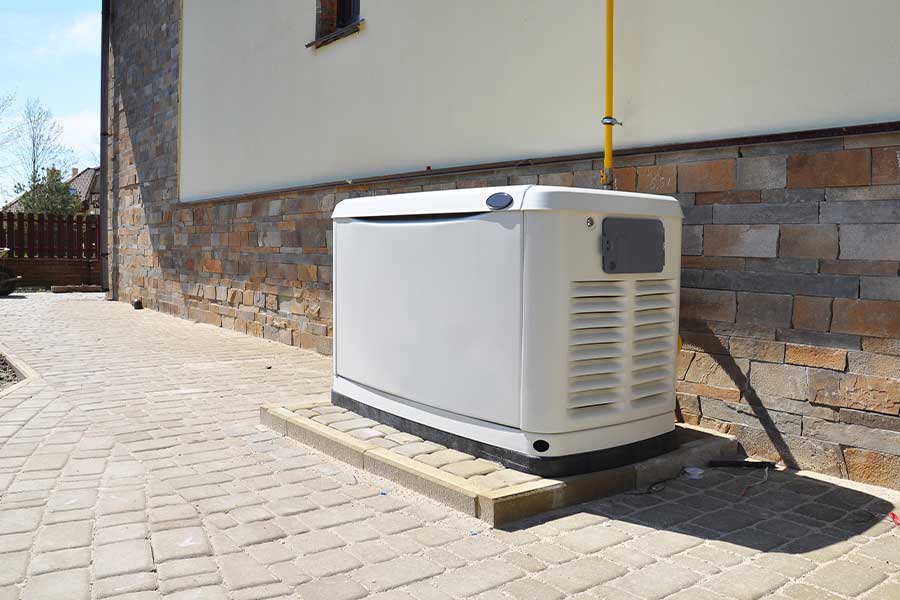
Power outages in Grand Rapids can happen with little warning. Whether it is a severe thunderstorm rolling through the West Side, an ice storm disrupting service along the East Beltline, or a summer grid overload during peak heat, losing power at the wrong moment creates real problems for homeowners. For those seeking the most flexible and resilient backup power solution, tri-fuel generators represent a significant step up from standard single-fuel models.
Understanding how tri-fuel generators differ from traditional options can help you make a well-informed decision about protecting your home. Reliable electrical services in Grand Rapids, MI, start with a thorough evaluation of your home’s power backup needs and the electrical integration required to support your chosen system.
What Are Tri-Fuel Generators?
A tri-fuel generator is a backup power system capable of operating on three distinct fuel sources: gasoline, propane, and natural gas. This stands in contrast to standard generators, which are typically designed around a single fuel type, most often gasoline.
The practical significance of that distinction becomes clear during an extended outage. A gasoline-only generator depends entirely on your ability to source and store fuel, which can become difficult during regional emergencies when supply chains are disrupted, and gas station lines stretch for blocks. A tri-fuel generator lets you draw from whichever fuel source is currently available, making it a more resilient option for households that want genuine preparedness rather than just backup capability.
How Tri-Fuel Generators Work
The core engineering difference between a tri-fuel and a standard generator lies in the fuel delivery system. Standard generators have a single carburetor or fuel intake system configured for one type of fuel. Tri-fuel generators are built with a more adaptable intake system that can be configured to accept gasoline, a propane tank connection, or a direct natural gas line hookup.
Switching between fuels typically involves a manual adjustment at the generator’s fuel selector, and the engine is tuned to optimize combustion performance across all three fuel types. Some models offer a more automated transition, but in most residential configurations, the changeover is a straightforward manual process.
The key operational differences compared to a standard generator include:
- Fuel input flexibility: The operator can select fuel based on availability or on what is most cost-effective at the time.
- Extended run time potential: Run time increases significantly when a natural gas line connection is available, since the supply is not limited by tank capacity.
- Varying emission profiles: Propane and natural gas generally produce cleaner combustion than gasoline.
These differences are not just technical features. In a real outage scenario, they translate into meaningfully greater reliability and less operational stress for the household.
Key Differences Between Tri-Fuel and Standard Generators
When comparing tri-fuel and standard generator models side by side, five differences stand out as most relevant for Grand Rapids homeowners.
- Fuel source flexibility is the most fundamental distinction. Standard generators lock you into a single fuel type, while tri-fuel generators give you three options. During an extended regional outage, that flexibility can be the difference between having power and running out of options when local gasoline supplies are exhausted.
- Operational run time varies significantly between the two. When connected to a natural gas line, a tri-fuel generator can run indefinitely without refueling, since natural gas is delivered continuously through your home’s existing utility connection. Standard gasoline-powered generators require refueling every several hours, creating logistical demands during long outages.
- Fuel cost management varies by model. The cost per kilowatt-hour of power generated varies by fuel type and market conditions, and tri-fuel generators allow homeowners to use whichever fuel is most economical at any given time.
- Emissions and environmental impact vary by fuel source. Gasoline combustion produces more particulate emissions than propane or natural gas. Tri-fuel generators running on cleaner fuel sources produce lower emissions, which matters both for air quality around the home and for compliance with applicable local restrictions on generator use in residential areas.
- Upfront cost versus long-term value rounds out the comparison. Tri-fuel generators carry a higher purchase price than comparable standard models. However, the combination of fuel flexibility, extended run time capability, and reduced long-term fuel costs often results in a stronger value proposition over the life of the unit, particularly for homeowners who want a reliable whole-home backup solution rather than just occasional portable power.
When Does a Tri-Fuel Generator Make the Most Sense?
In our service work throughout the Grand Rapids area, tri-fuel generators make the strongest case for homeowners in specific situations. They are particularly well-suited for:
- Households that already have natural gas service and want the option to connect the generator directly to that supply for extended run times
- Homes in areas where winter storms and ice events regularly disrupt power for multiple days at a time
- Homeowners who want the most flexible long-term backup power solution without being dependent on fuel availability during emergencies
- Properties that need to keep critical systems running continuously, including medical equipment, sump pumps, refrigeration, or home-based business equipment
Standard generators remain a practical and cost-effective choice for homeowners with more limited backup needs or tighter budgets. The right answer depends on how your household uses power, how frequently your area experiences outages, and what your priorities are when the grid goes down.
Is a Tri-Fuel Generator Worth the Investment?
The honest answer depends on your home’s specific situation, and that is exactly the kind of assessment a qualified electrician should walk you through before you commit to a purchase. What we consistently see in Grand Rapids homes is that homeowners who invest in a properly installed, adequately sized whole-house generator installation, regardless of type, are far better prepared for outages than those who rely on smaller, portable units that cannot safely power the entire home.
A tri-fuel generator represents a higher upfront investment, but for households that prioritize maximum flexibility and long-term reliability, that investment is well justified. Proper installation is equally important. A generator that is not properly integrated with your home’s electrical panel, properly grounded, or sized to your actual load requirements will not perform as expected when you need it most.
Beyond the generator itself, whole-home electrical readiness should be evaluated at the same time. An electrical service upgrade may be appropriate for older homes that need additional capacity to support a whole-house generator safely and efficiently.
For added protection once your generator is installed, pairing it with a whole-house surge protector is a smart next step. Generator-related voltage fluctuations during startup and transfer can affect sensitive electronics, and surge protection directly addresses that risk.
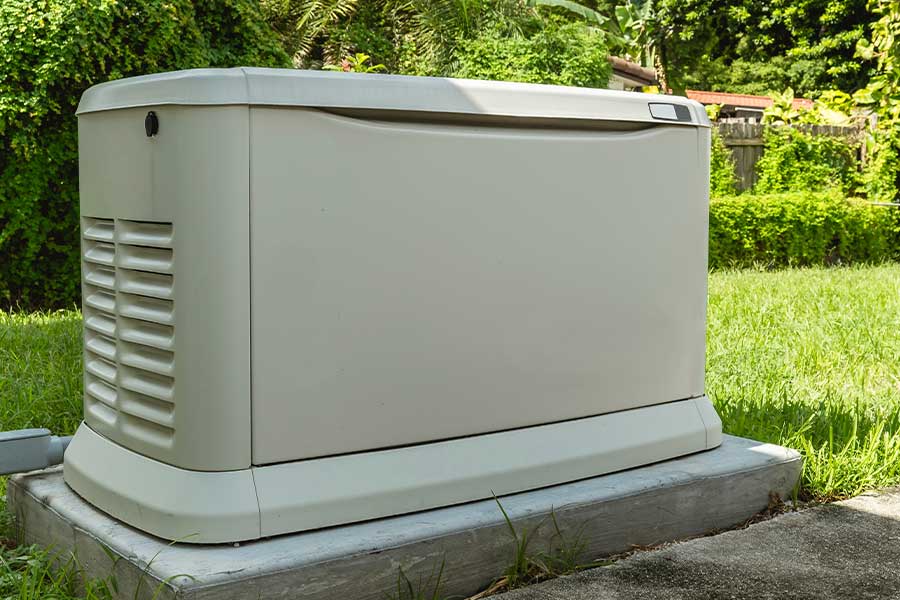
Amp Up Your Backup Power Game in Grand Rapids
Choosing between a tri-fuel generator and a standard model is ultimately a decision about how much flexibility and long-term reliability matter to you. Both have their place, and neither is the right answer for every home. What matters most is that the system you choose is properly matched to your household’s power needs and installed by a licensed electrician who understands how backup power integrates with your home’s electrical infrastructure. At Amp Electrician, AC & Furnace Repair, we work with Grand Rapids homeowners from the initial evaluation through completed installation, ensuring every generator setup is safe, code-compliant, and ready for the next outage. Contact our team today to schedule a consultation and find the backup power solution that is right for your home.